
Qui Q Battery Charger: A Comprehensive Guide
Welcome! This manual details the safe and effective operation of your Qui Q battery charger‚ ensuring optimal performance and longevity for your power needs.
The Qui Q battery charger is a versatile and reliable power solution designed to efficiently recharge a wide range of lead-acid‚ AGM‚ and Gel batteries. Whether you’re maintaining automotive batteries‚ powering recreational vehicles‚ or supporting backup power systems‚ this charger delivers consistent performance.
This guide provides comprehensive instructions on safely operating your Qui Q charger‚ understanding its features‚ and troubleshooting common issues. We’ll cover everything from initial setup and battery preparation to selecting the appropriate charging mode and interpreting the LED indicator lights.
Proper use and maintenance‚ as outlined in this manual‚ will maximize the lifespan of both your charger and your batteries‚ ensuring years of dependable service. Read this manual thoroughly before first use!
Understanding Your Qui Q Charger Model
Qui Q offers a variety of battery charger models‚ each tailored to specific needs and battery types. Identifying your exact model is crucial for utilizing the correct charging parameters. Locate the model number and serial number on the label affixed to the charger’s casing – typically on the rear or bottom.
Refer to this number when contacting customer support or ordering replacement parts. Different models feature varying charging capacities‚ amperage outputs‚ and specialized features like desulfation or equalization modes.
This manual provides general guidance applicable to most Qui Q chargers‚ but always consult the supplemental documentation specific to your model for detailed instructions and specifications. Knowing your model ensures optimal charging and prevents potential damage.

Safety Precautions & Warnings
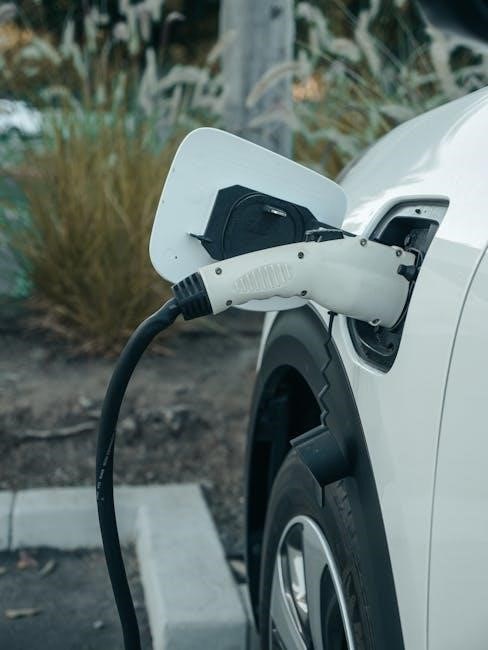
Prioritize safety! Always read and understand these precautions before operating your Qui Q charger to prevent hazards and ensure safe battery charging.
General Safety Guidelines
Read Carefully: Before using your Qui Q battery charger‚ thoroughly review this manual and all accompanying safety instructions. Understanding proper operation is crucial for preventing damage‚ injury‚ or fire.

Work Environment: Ensure the charging area is well-ventilated‚ dry‚ and free from flammable materials. Avoid charging in direct sunlight or near sources of heat. A clean and organized workspace minimizes risks.
Personal Protection: Always wear appropriate eye protection (safety glasses or goggles) when working with batteries. Batteries contain corrosive acid‚ and splashes can cause severe injury. Consider wearing gloves for added protection.
Disconnect Power: When connecting or disconnecting the charger from the battery‚ ensure the charger is switched off and unplugged from the power source. This prevents accidental short circuits.
Never Charge Damaged Batteries: Do not attempt to charge batteries that are cracked‚ leaking‚ or show signs of damage. Dispose of damaged batteries properly according to local regulations.
Specific Warnings for the Qui Q Charger
Model Compatibility: Only use the Qui Q charger with compatible battery types as specified in the ‘Battery Type Selection’ section. Incorrect settings can damage both the charger and the battery.
Do Not Modify: Never attempt to disassemble‚ modify‚ or repair the Qui Q charger yourself. This voids the warranty and poses a significant safety hazard. Contact qualified service personnel for any repairs.
Cable Integrity: Regularly inspect the charging cables and connectors for damage. Do not use the charger if the cables are frayed‚ cracked‚ or have exposed wires. Replace damaged cables immediately.
Avoid Water Exposure: The Qui Q charger is not waterproof. Protect it from rain‚ snow‚ and moisture. Water ingress can cause electrical shock and damage the internal components.
Supervision Required: When charging‚ especially for the first time‚ monitor the process closely. Do not leave the charger unattended for extended periods.
Electrical Safety Considerations
Grounding: Ensure the outlet used is properly grounded to prevent electrical shock. Do not use adapters that bypass the grounding pin. A grounded connection is crucial for safety.
Voltage Compatibility: Verify that the input voltage of the Qui Q charger matches the voltage of your power supply. Using an incorrect voltage can damage the charger and create a fire hazard.
Extension Cords: If using an extension cord‚ ensure it is of sufficient gauge (thickness) to handle the charger’s current draw. Undersized cords can overheat and pose a fire risk.
Avoid Overloading Circuits: Do not plug the charger into a circuit that is already heavily loaded with other appliances. This can cause the circuit breaker to trip or create a fire hazard.
Disconnect When Not in Use: Always unplug the Qui Q charger from the power outlet when it is not in use to conserve energy and reduce the risk of electrical incidents.
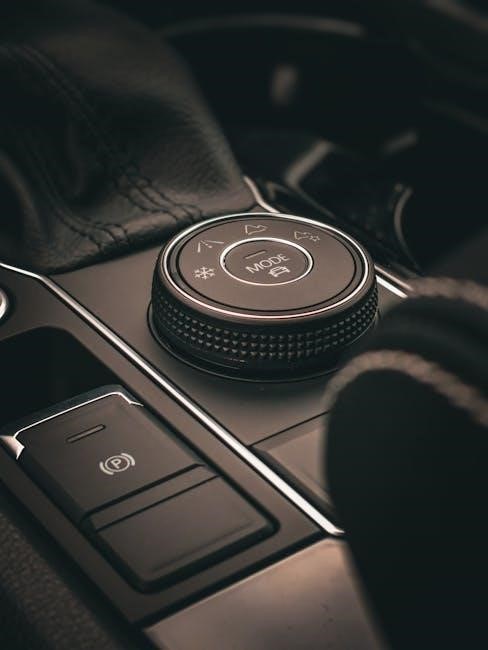
Components & Features
Explore the Qui Q charger’s design! Discover its robust build‚ intuitive controls‚ and essential features for efficient and reliable battery charging solutions.
Charger Body & Ports
The Qui Q charger’s body is constructed from durable‚ impact-resistant plastic‚ designed to withstand typical workshop environments and provide long-lasting reliability. It features a clearly labeled front panel housing the primary connection ports. You’ll find dedicated positive (+) and negative (-) terminals for battery connection‚ typically utilizing color-coded clamps or connectors for easy identification.
Additionally‚ some models include a DC input port for powering the charger from a vehicle’s cigarette lighter or other 12V source. Inspect the rear panel for the AC input socket‚ where you connect the mains power cord. Proper port identification is crucial for safe and effective operation; always double-check connections before initiating a charge cycle. Avoid forcing connectors – ensure a snug‚ secure fit.
LED Indicator Lights Explained
The Qui Q charger utilizes a multi-color LED indicator system to communicate charging status. A solid red light generally indicates the charging process is actively underway. A flashing red light may signal a connection issue or battery fault – consult the troubleshooting section. When the battery reaches full charge‚ the LED typically turns solid green.
A flashing green light often signifies a maintenance or float charging mode is active. Some models include a separate LED for indicating power on/off status. Yellow or amber lights usually denote errors‚ such as reverse polarity or a damaged battery. Refer to the specific LED legend printed on your charger’s casing for precise interpretations.
Cable & Connector Types
Your Qui Q charger is supplied with a standard AC power cable‚ designed for compatibility with typical household outlets. The DC output cable features a selection of connectors to suit various battery types. These commonly include alligator clips for direct battery terminal connection‚ and ring terminals for a more secure‚ permanent attachment.
Some models may also include a quick-connect SAE connector. Ensure proper polarity when connecting to the battery – red to positive (+) and black to negative (-). Using incorrect polarity can damage both the charger and the battery. Always inspect cables for damage before each use‚ replacing any frayed or cracked cords immediately for safety.
Included Accessories
Within the Qui Q charger package‚ you’ll find several essential accessories to facilitate effective battery charging. These typically include a set of detachable DC connector cables – alligator clips and ring terminals – offering versatility for different battery types and connection preferences.
A detailed instruction manual‚ like this one‚ is also included‚ providing comprehensive guidance on operation and safety. Depending on the model‚ you may also receive an SAE connector for quick connection to compatible batteries‚ and potentially a cable storage bag for convenient portability and organization. Verify all listed components are present before initial use.

Charging Procedures
Follow these steps for safe and efficient battery charging. Proper preparation‚ connection‚ mode selection‚ and monitoring are crucial for optimal results and battery health.
Preparing the Battery for Charging
Before connecting your battery to the Qui Q charger‚ a thorough inspection is essential. Visually check the battery case for any cracks‚ bulges‚ or leaks – do not charge a damaged battery. Ensure the battery terminals are clean and free from corrosion. Use a wire brush or a specialized battery terminal cleaner to remove any buildup.
Confirm the battery voltage matches the charger’s capabilities. Check the battery’s label for its voltage and capacity. If the battery has vent caps‚ ensure they are securely fastened. For optimal charging‚ the battery should be at room temperature; avoid charging in extremely hot or cold environments. Finally‚ disconnect the battery from any load or device before initiating the charging process.
Connecting the Battery to the Charger
Always connect the charger to the battery before plugging the charger into the AC power source. Identify the positive (+) and negative (-) terminals on both the battery and the charger. Typically‚ red indicates positive and black indicates negative. Attach the red clamp to the positive terminal and the black clamp to the negative terminal.
Ensure a firm and secure connection; loose clamps can cause sparking and inefficient charging. Double-check the polarity – reversing the connections can severely damage the battery and the charger. Once the clamps are securely attached‚ visually inspect the connections one last time. Now‚ you can safely plug the Qui Q charger into a grounded AC outlet.
Selecting the Correct Charging Mode
Your Qui Q charger offers various charging modes to accommodate different battery types and charging needs. Refer to your battery’s specifications to determine the appropriate mode. Incorrect mode selection can lead to undercharging or‚ more seriously‚ overcharging and potential damage.
Typically‚ options include Standard‚ Fast‚ and Maintenance (Float) modes. For lead-acid batteries‚ Standard is often suitable for routine charging. Fast charging is for quicker replenishment but may generate heat. Maintenance mode is ideal for long-term storage‚ preventing sulfation. Use the charger’s control panel to cycle through the modes until the correct one illuminates.
Monitoring the Charging Process
Regularly observe the charger’s LED indicators and‚ if equipped‚ the digital display during the charging cycle. These provide crucial information about the battery’s status. Initially‚ the charger will indicate ‘Charging’ or a similar status. As the battery nears full capacity‚ the indicator may change to ‘Nearly Full’ or display the percentage charged.
Avoid interrupting the charging process prematurely‚ as this can reduce battery lifespan. Once fully charged‚ the charger will typically switch to Maintenance mode‚ providing a trickle charge to maintain optimal voltage. Do not leave a fully charged battery unattended for extended periods; disconnect it when appropriate.
Charging Modes & Settings
Explore the versatile charging options! Your Qui Q charger offers tailored modes for various battery types and charging speeds‚ optimizing performance and safety;
Standard Charging Mode
Standard charging is the recommended mode for most general-purpose battery charging applications. This mode delivers a consistent and controlled current to the battery‚ ensuring a thorough and safe charge without risking overcharging or damage. It’s ideal for batteries that aren’t deeply discharged and for maintaining optimal battery health over time.
To initiate standard charging‚ select the appropriate battery type setting (Lead-Acid‚ AGM‚ Gel‚ etc.) on your Qui Q charger. The charger will then automatically adjust the voltage and current to match the selected battery chemistry. The charging process typically involves multiple stages – bulk‚ absorption‚ and float – to maximize efficiency and battery lifespan. Expect a longer charging duration compared to fast charging‚ but with enhanced battery care.
Fast Charging Mode (If Applicable)
If your Qui Q charger model supports it‚ fast charging mode significantly reduces charging time for deeply discharged batteries. This mode delivers a higher current to the battery‚ rapidly replenishing its charge. However‚ use this mode with caution! Frequent use of fast charging can generate more heat and potentially shorten battery lifespan.
Before selecting fast charging‚ ensure your battery is capable of accepting the higher current. Refer to your battery’s specifications. The charger will typically switch to a standard charge once the battery reaches a certain voltage level. Monitor the charging process closely‚ and avoid leaving the battery unattended during fast charging. This mode is best suited for situations where a quick charge is essential‚ but not for routine maintenance.
Maintenance/Float Charging Mode
The Maintenance or Float Charging mode is designed for long-term battery storage or to maintain a fully charged battery over extended periods. This mode delivers a very low current‚ just enough to counteract self-discharge‚ preventing sulfation and maximizing battery life. It’s ideal for seasonal use batteries‚ like those in motorcycles or boats‚ during off-season storage.
When a battery reaches full charge in standard mode‚ some Qui Q chargers automatically switch to float mode. Do not interrupt a float charge unless necessary. Leaving a battery on float charge for months is perfectly acceptable and beneficial. However‚ ensure adequate ventilation around the charger during prolonged use. This mode minimizes gassing and keeps the battery ready for immediate use when needed.
Battery Type Selection (Lead-Acid‚ AGM‚ Gel‚ etc.)
Your Qui Q charger offers compatibility with various battery types: Lead-Acid (Flooded)‚ Absorbed Glass Mat (AGM)‚ and Gel. Selecting the correct battery type is crucial for optimal charging and preventing damage. Incorrect settings can lead to undercharging‚ overcharging‚ or reduced battery lifespan.
Refer to your battery’s specifications to determine its type. Most Qui Q chargers feature a selector switch or a digital menu to choose the appropriate setting; Lead-Acid batteries require a higher charging voltage than AGM or Gel. AGM and Gel batteries benefit from a more controlled charging profile. Always double-check your selection before initiating a charge cycle. Using the wrong setting voids the charger’s warranty and may harm your battery.
Troubleshooting Common Issues
Encountering problems? This section provides solutions for typical issues with your Qui Q charger‚ helping you quickly restore functionality and power.
Charger Not Powering On
Problem: The Qui Q charger appears completely dead – no lights‚ no display activity. This is often a simple fix. First‚ verify the power cord is securely connected to both the charger and a functioning wall outlet. Test the outlet with another device to confirm it’s providing power.
Next‚ inspect the fuse (if applicable – check your model’s specifications). A blown fuse will prevent operation. Replace it with a fuse of the exact same rating. If the charger still doesn’t power on‚ check the on/off switch‚ ensuring it’s in the ‘on’ position.
Finally‚ if none of these steps resolve the issue‚ there may be an internal fault. Do not attempt to disassemble the charger yourself. Contact Qui Q customer support for assistance and potential repair options. Attempting self-repair could void your warranty and pose a safety risk.
Battery Not Charging
Problem: The Qui Q charger powers on‚ but the battery isn’t accepting a charge. Begin by confirming a secure connection between the charger clamps and the battery terminals. Ensure clean‚ corrosion-free contact. Reverse polarity is a common issue – double-check the red (+) and black (-) connections.
Verify the battery’s voltage is within the charger’s compatible range. A deeply discharged or damaged battery may not charge. Select the correct battery type and charging mode on the Qui Q charger; an incorrect setting will prevent charging.
If the issue persists‚ try a different battery to rule out a battery-specific problem. If another battery charges correctly‚ the original battery likely needs replacement. Contact a battery specialist for testing and advice.
LED Indicators Showing Errors
Error codes are displayed via the LED indicators on your Qui Q charger. A flashing red light typically indicates a problem – consult the table below for specific meanings. A solid red light often signals reverse polarity; immediately disconnect and correct the connections.
A flashing yellow light may indicate a faulty battery or an incompatible battery type selection. A solid yellow light could mean the battery is fully charged‚ or the charger is in standby mode.
Refer to the detailed LED code chart in the ‘Technical Specifications’ section for a comprehensive list of error codes and their corresponding solutions. If an error persists after troubleshooting‚ contact customer support.
Overheating Issues & Solutions
Overheating can occur during prolonged charging‚ especially in warm environments or with a malfunctioning cooling fan (if equipped). If the charger feels excessively hot‚ immediately disconnect it from both the battery and the power source. Allow it to cool down completely before attempting to use it again.
Ensure adequate ventilation around the charger; do not cover it or place it in a confined space. Check the charger’s air vents for any obstructions like dust or debris and clean them carefully. If overheating persists‚ the charger may have an internal fault and require professional servicing.
Never continue charging an overheated charger‚ as this could lead to damage or a safety hazard.
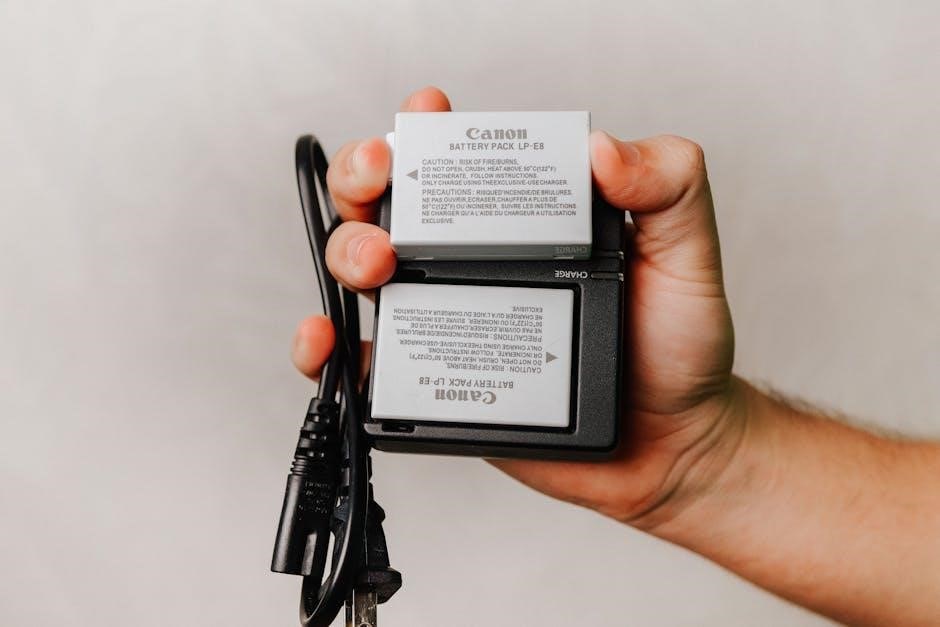
Maintenance & Storage
Regular upkeep ensures your Qui Q charger’s reliability. Proper cleaning and storage practices will maximize its lifespan and maintain peak charging efficiency.
Cleaning the Qui Q Charger
Maintaining a clean charger is crucial for optimal performance and safety. Before any cleaning‚ always disconnect the charger from the power outlet. Use a soft‚ dry cloth to wipe down the charger body‚ removing any dust or debris. For stubborn dirt‚ slightly dampen the cloth with mild soap and water – ensure no moisture enters the vents or ports.
Avoid using harsh chemicals‚ solvents‚ or abrasive cleaners‚ as these can damage the plastic casing and internal components. Pay particular attention to the charging connectors‚ ensuring they are free from corrosion. Inspect the power cord for any signs of damage; if found‚ discontinue use immediately. After cleaning‚ allow the charger to completely dry before reconnecting it to a power source and resuming operation. Regular cleaning contributes to a longer lifespan and reliable performance.
Proper Storage Procedures
When storing your Qui Q battery charger for extended periods‚ proper procedures are essential to maintain its functionality. First‚ ensure the charger is completely dry and clean‚ following the cleaning guidelines. Store the charger in a cool‚ dry environment‚ away from direct sunlight‚ extreme temperatures‚ and humidity.
Avoid storing the charger in areas prone to dust or where it could be subjected to physical damage. It’s best to store it in its original packaging‚ if available‚ or a protective case. Keep the power cord neatly coiled and secured to prevent tangling or damage. Periodically check the charger during storage to ensure no signs of corrosion or deterioration are present. Following these steps will help preserve your charger’s condition and ensure it’s ready for use when needed.
Extending the Lifespan of Your Charger
To maximize the lifespan of your Qui Q battery charger‚ consistent care is paramount. Avoid dropping or subjecting the charger to physical shocks. Regularly inspect the power cord and connectors for any signs of wear‚ damage‚ or fraying – replace them immediately if necessary.
Do not operate the charger in excessively dusty or dirty environments‚ as this can lead to overheating and component failure. Always allow the charger to cool down completely after extended use before storing it. Avoid modifying or attempting to repair the charger yourself; contact qualified service personnel for any repairs. Following these guidelines will contribute to years of reliable performance from your Qui Q charger.

Technical Specifications
Below are the detailed technical specifications for your Qui Q battery charger‚ outlining its electrical characteristics and charging capabilities for reference.
Input Voltage & Current
The Qui Q battery charger is designed to operate with a standard input voltage of 120V AC‚ 60Hz for North American models‚ and 220-240V AC‚ 50/60Hz for European and international versions.
It’s crucial to verify your local power supply matches the charger’s input voltage requirement before use to prevent damage. The maximum input current draw typically ranges from 0.8 Amps to 1.5 Amps‚ depending on the charging mode and battery condition.
Always ensure the power outlet is properly grounded and capable of supplying the necessary current. Using an extension cord is discouraged‚ but if necessary‚ use a heavy-duty cord rated for at least the charger’s maximum current draw.
Output Voltage & Current
The Qui Q battery charger provides a regulated DC output‚ typically ranging from 12V to 24V‚ automatically detected based on the battery type and selected charging mode.
Output current varies significantly depending on the charging stage and battery capacity. Standard charging mode delivers a consistent current of 2 Amps to 6 Amps‚ while fast charging can reach up to 10 Amps or higher for compatible batteries.
Maintenance or float charging provides a low current output‚ usually around 0.5 Amps‚ to maintain a fully charged battery without overcharging. Always refer to the battery manufacturer’s specifications for recommended charging current limits.
Charging Capacity Range
The Qui Q battery charger is designed to accommodate a wide range of battery capacities‚ typically from 1.2 Amp-hours (Ah) up to 100 Ah. However‚ certain models may support even larger capacities‚ up to 150 Ah or more – check your specific model’s specifications.
For optimal charging‚ it’s crucial to select a charger with a current output appropriate for the battery’s Ah rating. A general guideline is to use a charging current equal to 10-15% of the battery’s Ah capacity.
Attempting to charge a battery outside the recommended capacity range may result in inefficient charging‚ reduced battery lifespan‚ or even potential damage. Always consult the battery’s documentation.